Why You’ll Love This Pistachio Flour
Hey there, fellow home cooks! If you’re like me, always on the hunt for simple swaps that make meals more exciting, pistachio flour is about to become your new favorite ingredient. It’s super easy to whip up at home, taking just a bit of time and a few steps, which makes it ideal for busy parents or students juggling life’s chaos (I remember those days!). Plus, this flour is packed with goodies like healthy fats and antioxidants that keep things nutritious without skimping on taste.
Beyond that, pistachio flour slides right into so many diets, from gluten-free to vegan, giving you tons of options for creative cooking. Imagine adding that nutty flavor to your everyday bakes or even smoothies it’s like a flavor boost that makes everything better. Whether you’re a baking enthusiast or just looking to mix things up, this flour brings a fresh twist that keeps meals fun and satisfying.
One thing I love is how versatile it is; you can use it in sweet treats or savory dishes, and it’s a great way to sneak in extra nutrients for the whole family. From my own kitchen experiments, I’ve found it really shines in recipes that need a little extra crunch and color. So, if you’re ready to dive into something new, let’s get started with why this pistachio flour is a game-changer for your pantry.
Health and Ease Benefits
Pistachio flour isn’t just tasty; it’s a powerhouse of benefits that support heart health and overall wellness through its rich protein and antioxidant content. I often share with friends how whipping this up at home cuts down on processed foods, making it perfect for diet-conscious folks or working professionals watching their intake. With minimal prep, like blanching and grinding, you can have fresh flour ready in no time, and that’s a win for anyone short on hours in the day.
Let me tell you, the first time I tried it in my muffins, the results were amazing moist, flavorful, and oh-so-green! It’s adaptable too, fitting into low-calorie meals or vegan swaps with ease, so you won’t feel like you’re missing out.
Jump to:
- Why You’ll Love This Pistachio Flour
- Health and Ease Benefits
- Essential Ingredients for Pistachio Flour
- Special Dietary Options
- How to Prepare the Perfect Pistachio Flour: Step-by-Step Guide
- Preparing the Nuts
- Grinding and Sifting
- Storing Your Flour
- Dietary Substitutions to Customize Your Pistachio Flour
- Mastering Pistachio Flour: Advanced Tips and Variations
- How to Store Pistachio Flour: Best Practices
- FAQs: Frequently Asked Questions About Pistachio Flour
- What is pistachio flour and how is it made?
- Can pistachio flour be used as a substitute for regular flour in baking?
- Is pistachio flour good for people with gluten intolerance or celiac disease?
- What are the nutritional benefits of using pistachio flour in cooking?
- Where can I buy pistachio flour and how should it be stored?
- Pistachio Flour
- Ingredients
- Instructions
- Last Step:
- Notes
- Nutrition
- Did you make this recipe?
Essential Ingredients for Pistachio Flour
Pulling together the right ingredients is key to making pistachio flour that turns out just right, and I always get excited about how simple it is. Based on what I’ve gathered from trusty kitchen tips, here’s a straightforward list to ensure you have everything measured out perfectly. This helps avoid any surprises and keeps your flour fresh and flavorful.
- 1 ¼ cups (150 g) raw shelled pistachios – this forms the base and gives that signature nutty taste we’re after.
That’s it for the main ingredients! Sometimes, keeping it basic is best, especially when you’re aiming for that pure pistachio essence. If you’re new to this, remember how I mentioned grabbing high-quality nuts makes all the difference (it’s like the secret to my go-to recipes). Now, for those tweaking for dietary needs, you can add a few extras, but we’ll cover that next.
Special Dietary Options
For anyone watching their diet, like vegans or those going gluten-free, pistachio flour is a fantastic base. For instance, if you want to mix in homemade jams for sweetness, it’s easy to adapt. Here’s a quick table to show how to customize:
| Dietary Need | Suggestion |
|---|---|
| Vegan | Use plant-based options like almond milk if combining with liquids in recipes. |
| Gluten-free | This flour is naturally gluten-free, so it’s ready to go as is. |
| Low-calorie | Skip any added sugars and pair with stevia for a lighter touch in bakes. |
As I always say, getting creative with these swaps keeps things fresh and fits your lifestyle (it’s one of my favorite parts of home cooking!).
How to Prepare the Perfect Pistachio Flour: Step-by-Step Guide
Alright, let’s dive into the fun part actually making pistachio flour from scratch! I remember the first time I tried this, it felt like a little kitchen adventure, and now it’s one of my go-to hacks for adding flair to recipes. Start by gathering your supplies: you’ll need 1 ¼ cups (150 g) of raw shelled pistachios, a pot for boiling water, a baking tray, and a food processor or coffee grinder. This step ensures you’re all set for smooth sailing, and it’s perfect for beginners who want quick results in about 15 minutes of active time.
Preparing the Nuts
If you’re aiming for that vibrant green color, begin with blanching: bring water to a boil and blanch the pistachios for 30 seconds. Right away, transfer them to an ice bath to cool, then drain and peel off the skins it’s optional, but I find it makes a big difference (skip it if your nuts are already peeled). Once done, spread the pistachios in a single layer on a baking tray to dry them out.
You can let them air-dry overnight at room temperature or pop them in a 250°F (120°C) oven for about 30 minutes, just make sure they don’t brown. Let them cool completely before moving on, as I learned the hard way that warm nuts can turn greasy during grinding. For more tips on using nuts in baking, check out this apple spice crumb muffins recipe on our site.
Grinding and Sifting
Now, for the grinding step, work in small batches about ½ cup at a time and pulse the cooled pistachios in your food processor just 2-3 times to get that fine flour texture. Be careful not to overdo it, or you’ll end up with pistachio butter, which is tasty but not what we’re after! Once ground, sift the mixture over a bowl to separate the fine flour from any larger bits.
Repeat the process with the coarse pieces: return them to the grinder, pulse briefly, and sift again until you mostly have fine flour. Save about 1 to 2 tablespoons of the bigger chunks for garnishes or even making pistachio butter later. For health insights, learn about the benefits of pistachios to see why this is such a nutritious choice.
Storing Your Flour
Finally, store your freshly made pistachio flour in an airtight container in a cool, dry spot, where it’ll last 2 to 3 months, or freeze it for up to a year for longer freshness. I like to portion it out for easy use, and it’s amazing how this simple process opens up so many recipe ideas. With timings like these, it’s perfect for a quick prep session, even on busy days.

Dietary Substitutions to Customize Your Pistachio Flour
If you’re looking to tweak pistachio flour for your needs, it’s easier than you might think, and I love how it lets everyone join in the fun. For protein swaps, try using walnuts or cashews instead of pistachios to change things up while keeping that nutty base intact. This is great for varying flavors and making it work for different tastes, like in family meals or when entertaining guests.
On the veggie side, adding things like zucchini or sweet potatoes can complement the flour in recipes, boosting both nutrition and texture. For seasonings, swap in fresh herbs or low-sodium options to fit dietary restrictions, and always go for homemade sauces if you can it keeps everything tasting fresh and healthy. These changes make pistachio flour even more versatile without losing its charm.
Mastering Pistachio Flour: Advanced Tips and Variations
Once you’re comfortable with the basics, let’s level up with some pro tips that have transformed my baking game. Start by toasting the pistachios lightly before grinding; it brings out a richer flavor that adds depth to your dishes (I do this for special occasions). For flavor twists, mix in spices like cardamom or citrus zest to create something unique and exciting.
Presentation is key too garnish with crushed pistachios and herbs for that eye-catching finish, perfect for party hosts. And if you’re prepping ahead, make larger batches and freeze them in portions to save time, just like I do for quick morning smoothies. Remember, grinding in small batches works best to avoid clumping, and using slivered pistachios can make things even easier.
This tip from my kitchen: Always ensure your nuts are fully dry before grinding to get the finest texture it’s a small step that makes a big impact!
How to Store Pistachio Flour: Best Practices
Storing pistachio flour properly keeps it fresh and ready for your next creation, and I’ve got some straightforward advice to make it simple. Pop it in an airtight container in the fridge for up to two weeks, which helps maintain that nutty goodness without any spoilage. For longer holds, freezing in vacuum-sealed bags is the way to go, preserving flavor for up to six months.
When you’re ready to use it, you can bake straight from frozen or let it thaw at room temperature to keep the texture just right. I find portioning it into meal-sized bags makes meal prep a breeze, so you don’t have to worry about exposing the rest to air. These methods are game-changers for busy lifestyles, ensuring you always have fresh ingredients on hand.
FAQs: Frequently Asked Questions About Pistachio Flour
What is pistachio flour and how is it made?
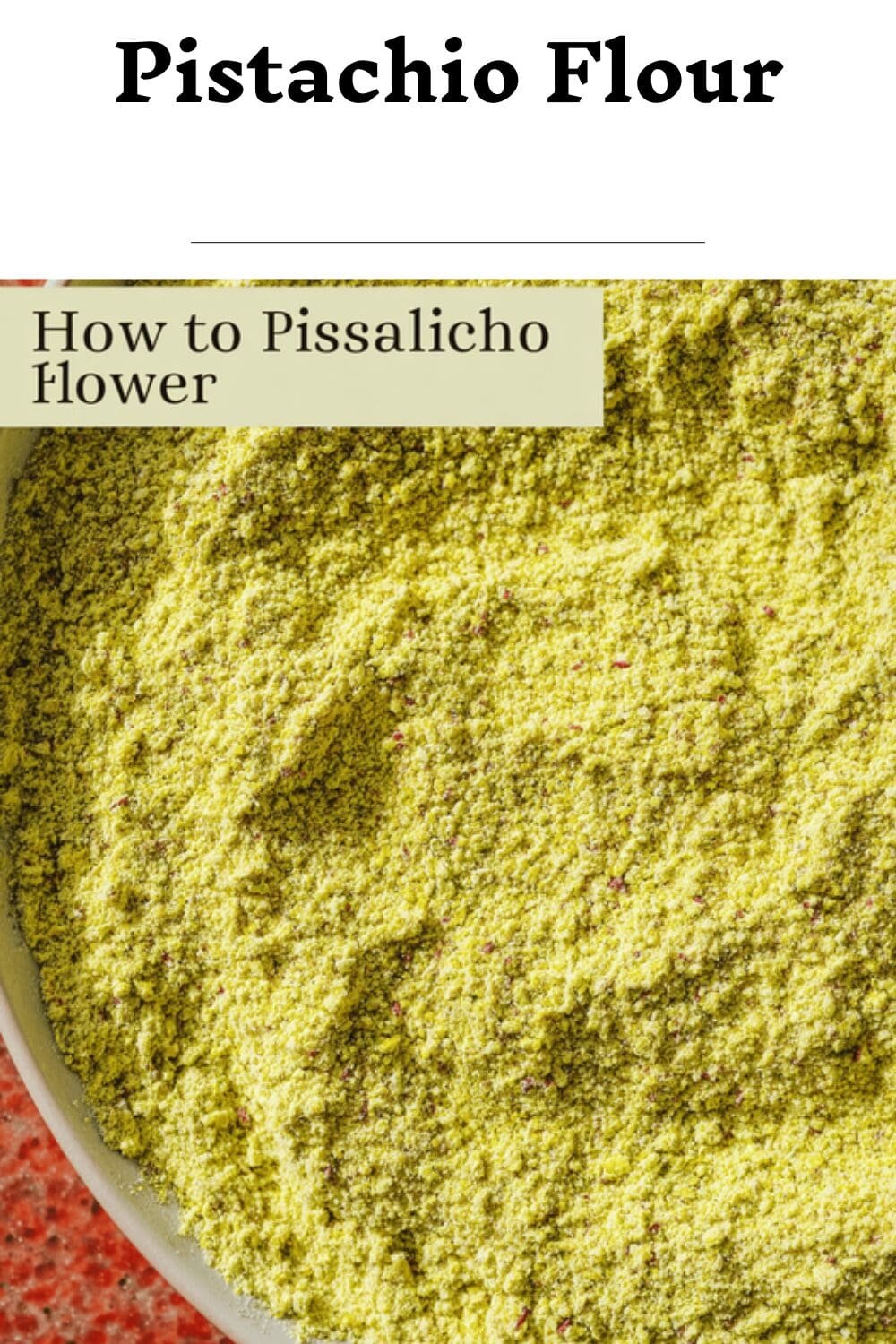
Pistachio flour is a finely ground powder made from shelled pistachio nuts. To make it, raw or roasted pistachios are blanched to remove the skins, then ground until they reach a flour-like texture. Unlike traditional wheat flour, pistachio flour is gluten-free and rich in healthy fats, protein, and fiber. It adds a nutty flavor and green tint to baked goods, making it a popular alternative ingredient in gluten-free and low-carb recipes.
Can pistachio flour be used as a substitute for regular flour in baking?
Yes, pistachio flour can replace regular flour in many recipes, especially in cookies, cakes, and muffins, to add flavor and nutrition. However, it does not contain gluten, so it works best when combined with other flours or binding agents like eggs or xanthan gum. Because it is denser and higher in fat, you may need to adjust the liquid or rising agents in the recipe for the best results.
Is pistachio flour good for people with gluten intolerance or celiac disease?
Pistachio flour is naturally gluten-free and safe for individuals with gluten intolerance or celiac disease. It offers a nutritious alternative to wheat-based flours, providing protein, healthy fats, and fiber. When purchasing pistachio flour, ensure that it is processed in a gluten-free facility to avoid cross-contamination.
What are the nutritional benefits of using pistachio flour in cooking?
Pistachio flour is packed with nutrients including protein, dietary fiber, healthy monounsaturated fats, vitamins such as B6 and E, and minerals like potassium and magnesium. These nutrients support heart health, digestion, and energy metabolism. Incorporating pistachio flour into your diet can also add antioxidants that reduce inflammation. It’s a good choice for boosting the nutritional profile of baked goods and snacks.
Where can I buy pistachio flour and how should it be stored?
Pistachio flour is available at health food stores, specialty grocery shops, and online retailers. Choose high-quality brands that use raw or dry-roasted pistachios without additives. Store pistachio flour in an airtight container in a cool, dry place or in the refrigerator to keep it fresh longer and prevent the oils from turning rancid. Proper storage helps retain its flavor and nutritional value for up to three months.
Pistachio Flour
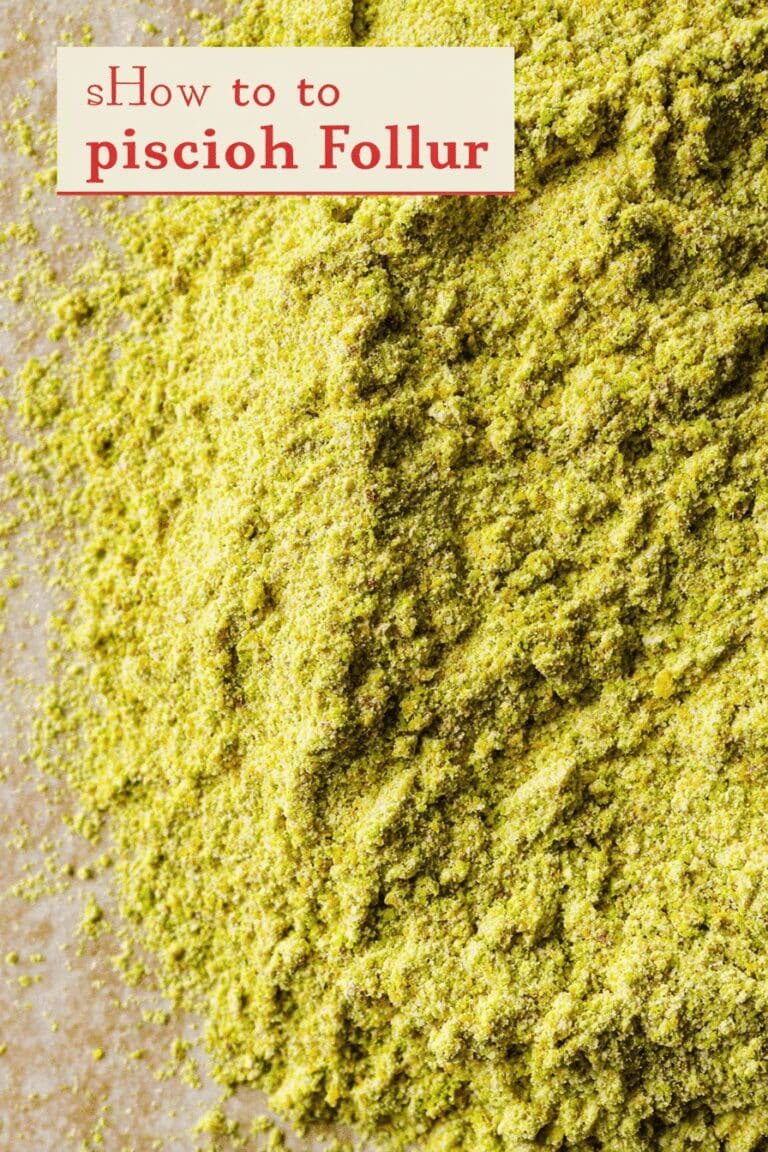
🌰 Making Homemade Pistachio Flour provides a fresh, vibrant ingredient that enhances the flavor and color of your baking.
✨ This process allows you to control quality and ensures a wonderful texture in cakes, cookies, and desserts.
- Total Time: 45 minutes
- Yield: About 1 cup pistachio flour 1x
Ingredients
1 ¼ cups (150 g) raw shelled pistachios – this forms the base and gives that signature nutty taste we’re after
Instructions
1-Preparing the Nuts: If you’re aiming for that vibrant green color, begin with blanching: bring water to a boil and blanch the pistachios for 30 seconds. Right away, transfer them to an ice bath to cool, then drain and peel off the skins it’s optional, but I find it makes a big difference (skip it if your nuts are already peeled). Once done, spread the pistachios in a single layer on a baking tray to dry them out.
2-Preparing the Nuts: You can let them air-dry overnight at room temperature or pop them in a 250°F (120°C) oven for about 30 minutes, just make sure they don’t brown. Let them cool completely before moving on, as I learned the hard way that warm nuts can turn greasy during grinding. For more tips on using nuts in baking, check out this apple spice crumb muffins recipe on our site.
3-Grinding and Sifting: Now, for the grinding step, work in small batches about ½ cup at a time and pulse the cooled pistachios in your food processor just 2-3 times to get that fine flour texture. Be careful not to overdo it, or you’ll end up with pistachio butter, which is tasty but not what we’re after! Once ground, sift the mixture over a bowl to separate the fine flour from any larger bits.
4-Grinding and Sifting: Repeat the process with the coarse pieces: return them to the grinder, pulse briefly, and sift again until you mostly have fine flour. Save about 1 to 2 tablespoons of the bigger chunks for garnishes or even making pistachio butter later. For health insights, learn about the benefits of pistachios to see why this is such a nutritious choice.
5-Storing Your Flour: Finally, store your freshly made pistachio flour in an airtight container in a cool, dry spot, where it’ll last 2 to 3 months, or freeze it for up to a year for longer freshness. I like to portion it out for easy use, and it’s amazing how this simple process opens up so many recipe ideas. With timings like these, it’s perfect for a quick prep session, even on busy days.
Last Step:
Please leave a rating and comment letting us know how you liked this recipe! This helps our business to thrive and continue providing free, high-quality recipes for you.Notes
🌿 Use slivered Turkish or dark green Iranian pistachios for the brightest color and easiest peeling.
⚠️ Avoid roasted, salted, or oily pistachios for best texture and flavor.
🛠️ Grind in small batches and dry nuts completely to prevent clumping and grease formation.
- Prep Time: 15 minutes
- Drying Time: 30 minutes
- Category: Baking Ingredient
- Method: Grinding
- Cuisine: International
- Diet: Vegan, Gluten-Free, Vegetarian
Nutrition
- Serving Size: 15 g