Why You’ll Love This Sourdough Starter
If you’re new to baking, making your own sourdough starter might seem overwhelming at first, but this method is simple and rewarding right from the start. One key benefit is how easy it is to prepare, taking just a few minutes each day over a week with basic items you likely have on hand. This sourdough starter offers great health perks since it’s full of natural yeasts and bacteria that can aid digestion and provide a boost of nutrients compared to commercial yeast ones.
Another plus is its flexibility, letting you adapt it to fit various eating styles, including vegan options that use only plant-based materials. Plus, the flavor it adds to your bread is truly special, giving a tangy, rich taste that makes every loaf stand out from store-bought kinds. All these features make sourdough starter a fun project that builds your baking skills while enhancing your meals. Sourdough starter stands out for its simple steps that fit into busy schedules, making it ideal for home cooks looking to try something new without much hassle.
- Ease of preparation: Creating sourdough starter involves straightforward daily steps that take less than five minutes, perfect for busy parents or students who want healthy results without complex tools or long hours in the kitchen.
- Health benefits: This starter fosters a lively mix of wild yeasts and bacteria, which can improve gut health and provide more nutrients than quick-rise alternatives, appealing to diet-conscious folks seeking natural options.
- Versatility: You can tweak this recipe to match different dietary needs, such as keeping it vegan with basic flours and water, which makes it handy for food enthusiasts exploring various meal ideas.
- Distinctive flavor: The sourdough process develops a unique sour note that elevates breads and other dishes, offering a fresh twist that baking enthusiasts will enjoy experimenting with in their daily routines.
Internal link: For more beginner tips, check out our beginners baking guide to get started smoothly.
Jump to:
- Why You’ll Love This Sourdough Starter
- Essential Ingredients for Sourdough Starter
- Special Dietary Options
- How to Prepare the Perfect Sourdough Starter: Step-by-Step Guide
- First Step: Day 1 Preparation
- Second Step: Day 2 Check
- Third Step: Daily Feeding Starting on Day 3
- Fourth Step: Continue Feeding Through Day 7
- Final Step: Checking Readiness on Day 8
- Dietary Substitutions to Customize Your Sourdough Starter
- Protein and Main Component Alternatives
- Vegetable, Sauce, and Seasoning Modifications
- Mastering Sourdough Starter: Advanced Tips and Variations
- Pro Cooking Techniques
- Flavor Variations
- Presentation Tips and Make-Ahead Options
- How to Store Sourdough Starter: Best Practices
- Refrigeration for Short-Term
- Freezing for Long-Term
- Reheating and Meal Prep
- FAQs: Frequently Asked Questions About Sourdough Starter
- What type of flour is best for making a sourdough starter?
- Why is my sourdough starter less bubbly on days 3-4?
- Should I measure sourdough ingredients by weight or volume?
- How often should I feed my sourdough starter?
- Can I use sourdough discard from the first week?
- Sourdough Starter
- Ingredients
- Instructions
- Last Step:
- Notes
- Nutrition
- Did you make this recipe?
Essential Ingredients for Sourdough Starter
Gathering the right ingredients is the first step to success with your sourdough starter, and each one plays a key role in the fermentation process. Using precise measurements helps ensure consistent results, especially for new bakers. Below is a detailed list of all the ingredients needed, based on the full recipe provided.
- 60g whole wheat flour – This jumpstarts fermentation with its natural nutrients and fibers, helping the yeast and bacteria grow quickly on the first day.
- 60g warm water – Used on Day 1 to hydrate the flour and create the initial mixture, ensuring the right moisture level for activity.
- 60g unbleached all-purpose flour – Added daily from Days 3-7 to feed the starter, providing a clean base that supports ongoing fermentation without additives.
- 60g water – Fed daily from Days 3-7 to maintain the starter’s hydration, keeping the mixture at the perfect consistency for growth each time.
- 60g bread flour – An alternative to unbleached all-purpose flour for feedings on Days 3-7, offering a stronger gluten structure that can make the starter more robust if preferred.
Special Dietary Options
This recipe is naturally vegan, relying on just flour and water without any animal products, which makes it easy for plant-based diets. For gluten-free needs, you can swap flours like whole wheat or all-purpose with options such as rice flour, though it may change the texture and require adjustments. To keep it low-calorie, stick to the measured amounts and avoid adding extras, as the basic ingredients are simple and light.
External link: Learn more about the scientific benefits of sourdough in supporting health through natural fermentation.
How to Prepare the Perfect Sourdough Starter: Step-by-Step Guide
Getting your sourdough starter ready is a simple process that takes about seven days, with short tasks each day to build a strong base. Start by gathering your jar and ingredients to set yourself up for success, making sure your space is at the right temperature for best results. This guide follows the exact directions provided, ensuring you cover every step without skipping anything.
First Step: Day 1 Preparation
Begin by combining 60g whole wheat flour and 60g warm water in a clean jar until the mixture is smooth and lump-free. Cover the jar loosely and let it rest in a spot that’s around 70-75°F for 24 hours; this kickstarts the fermentation. Remember to use a consistent environment to help the yeasts activate properly.
Second Step: Day 2 Check
On the second day, simply check the jar for any bubbles that might have formed, but no further action is needed at this point. Let it rest for another 24 hours at 70-75°F, allowing the natural process to continue building. This waiting period is key for the starter to begin developing.
Third Step: Daily Feeding Starting on Day 3
From Day 3 onward, discard half of the starter to keep things balanced, then add 60g unbleached all-purpose flour (or bread flour) and 60g water. Mix it thoroughly, scraping the sides of the jar to incorporate everything evenly, and cover it again for 24 hours at 70-75°F. This feeding routine helps maintain the starter’s health and growth each day.
Fourth Step: Continue Feeding Through Day 7
Repeat the process for Days 4 through 7: discard half, add 60g flour and 60g water, mix well, and let it rest for 24 hours at the same temperature. Track the progress by marking the jar’s level with a rubber band after each feeding to see how much it rises. This consistency is crucial for a strong sourdough starter by the end of the week.
Final Step: Checking Readiness on Day 8
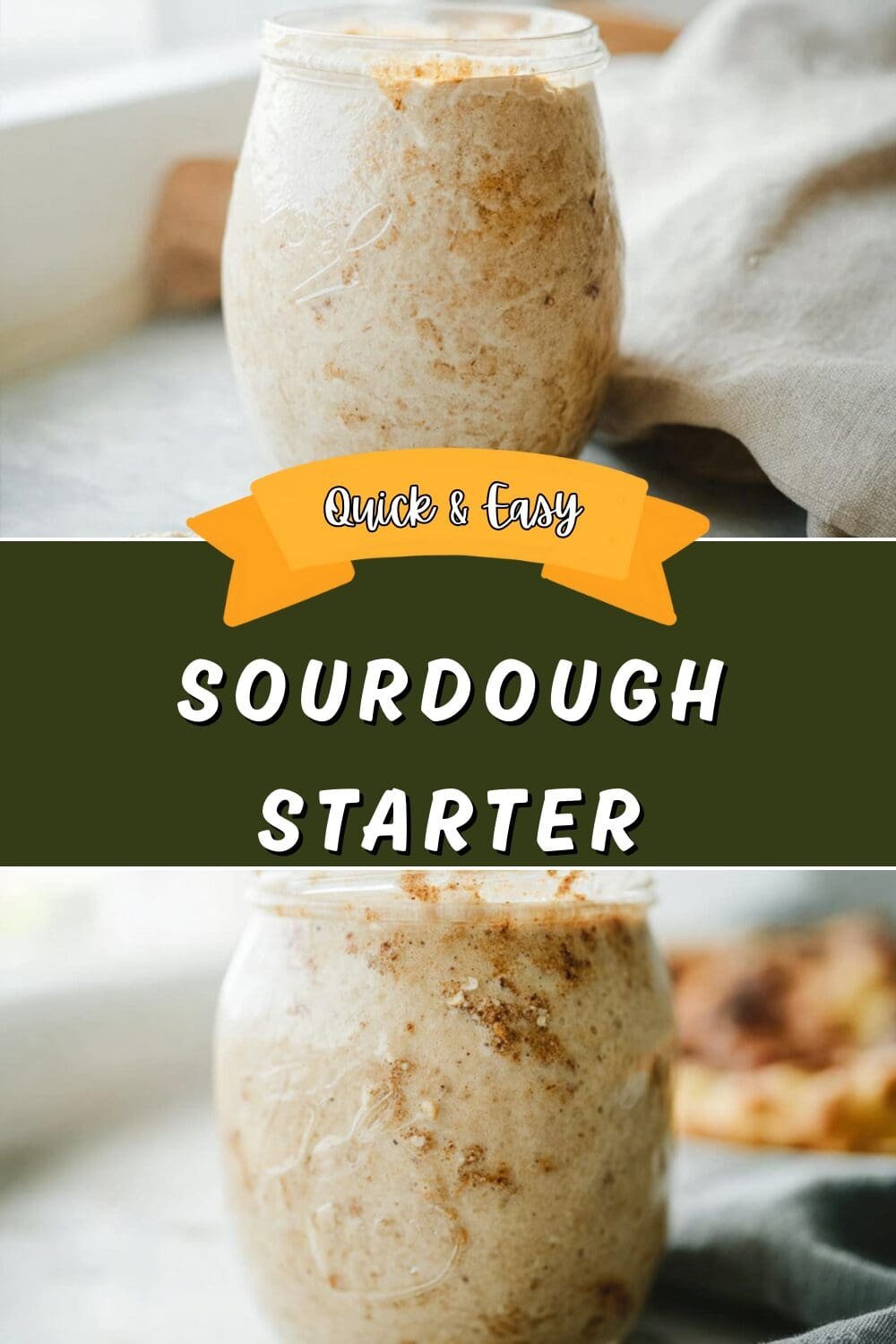
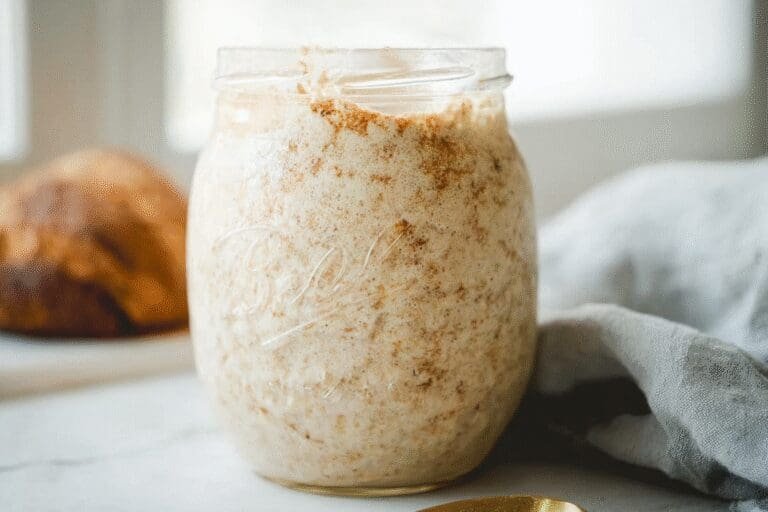
By Day 8, your starter should have doubled in size, look bubbly and spongy, and have a pleasant smell, signaling it’s ready to use. If it meets these signs, transfer it to a clean jar for ongoing care; if not, continue feeding until it does. The whole process takes 7+ days with daily feedings, adapting well to vegan diets since no animal products are involved.
This step-by-step approach ensures your sourdough starter is reliable and easy to adapt for various preferences.

Dietary Substitutions to Customize Your Sourdough Starter
Protein and Main Component Alternatives
If you need to swap main ingredients, consider using rye flour instead of whole wheat for the initial mix, as it ferments faster and adds a nutty flavor while keeping things vegan. For those avoiding gluten, opt for gluten-free flours like oat or buckwheat, though you may need to adjust water amounts to get the right consistency. These changes help maintain the starter’s activity without compromising dietary needs.
Vegetable, Sauce, and Seasoning Modifications
While sourdough starter doesn’t involve vegetables or sauces, you can experiment with flavored additions like a splash of fruit juice in feedings for a subtle twist, ensuring it remains vegan-friendly. For seasoning, avoid adding any extras in the basic recipe, but once mature, incorporate herbs for variety in breads. These tweaks make the starter versatile for different tastes and restrictions.
Mastering Sourdough Starter: Advanced Tips and Variations
Pro Cooking Techniques
To get even better results, always maintain a steady 70-75°F environment using methods like turning on an oven light briefly or using a proofing box, which helps the starter grow faster. Mark the jar with a rubber band after feeding to easily track expansion, and pour off any dark liquid before adding new ingredients. Feeding by weight, like 60g flour and 60g water, ensures precision and avoids common errors for new bakers.
Flavor Variations
Once your starter is established, try switching flours for different flavors, such as using spelt for a milder taste or adding a bit of honey in feedings for sweetness, keeping it vegan if needed. Slower growth on Days 3-4 is normal, so don’t worry if it seems slow at first; just stick to the routine. These variations let you personalize your starter for various recipes.
Presentation Tips and Make-Ahead Options
For storage, keep it at room temperature if baking often and feed 1-2 times daily, or refrigerate for infrequent use and feed once weekly. This makes it easy for busy professionals to plan ahead without daily tasks. Experimenting with these tips can turn your sourdough starter into a staple for all your baking adventures.
| Tip Category | Description |
|---|---|
| Environment Control | Maintain 70-75°F for optimal growth |
| Feeding Method | Use weight for accuracy |
How to Store Sourdough Starter: Best Practices
Proper storage keeps your sourdough starter active and ready for use, whether you’re baking often or not. For short-term needs, refrigeration helps slow fermentation while preserving the culture. Here’s how foul to handle it based on your schedule.
Refrigeration for Short-Term
Keep your starter in the fridge if you bake infrequently, feeding it once a week to maintain its strength without daily effort. This method works well for busy parents or working professionals, ensuring the starter stays viable for up to two weeks.
Freezing for Long-Term
Freezing is great for longer storage; portion it into small amounts before freezing to make thawing easier later. This technique preserves the starter’s quality, allowing you to revive it when needed without much loss.
Reheating and Meal Prep
When reheating, let it come to room temperature and feed it before use to restore activity, following safety guidelines to avoid contamination. For meal prep, plan feedings around your baking schedule to keep things fresh and efficient.
FAQs: Frequently Asked Questions About Sourdough Starter
What type of flour is best for making a sourdough starter?
You can make a sourdough starter with various flours, but each has different properties. All-purpose flour works well but may take longer to develop. Bread flour creates a thicker starter that may need more water. Whole wheat, spelt, or rye flour absorb more water and ferment faster, making them excellent for jumpstarting fermentation. Bleached flour isn’t recommended as chemicals can interfere with fermentation. Many bakers begin with whole wheat flour for initial fermentation, then switch to all-purpose or bread flour for regular feedings once established.
Why is my sourdough starter less bubbly on days 3-4?
It’s normal for sourdough starter to appear less active on days 3-4. This slowdown typically occurs when transitioning from whole wheat flour (used initially to boost fermentation) to all-purpose or bread flour for regular feedings. Your starter needs time to adjust to the new flour type. Don’t be discouraged—growth is still happening, just at a slower pace. Continue with regular feedings, and you should see increased activity within a few days as the yeast and bacteria populations adapt to their new food source.
Should I measure sourdough ingredients by weight or volume?
For sourdough starter, measuring by weight is strongly recommended over volume. Different flours have varying densities, meaning a cup of flour can weigh anywhere from 125-150g depending on how it’s packed. Water measurements by volume also vary. Using a kitchen scale ensures consistent ratios of flour to water, leading to more predictable fermentation. When recipes specify “equal parts flour and water,” they’re referring to weight, not volume. For example, 60g flour + 60g water maintains the proper hydration, even though their volumes (about 1/2 cup flour and 1/4 cup water) differ.
How often should I feed my sourdough starter?
For a new sourdough starter, daily feeding is recommended during the first week to establish strong yeast and bacteria colonies. After your starter is mature (typically after 7-10 days), you can adjust the feeding schedule based on your baking frequency and storage method. Room temperature starters generally need feeding every 12-24 hours. Refrigerated starters can go 1-2 weeks between feedings. Always look for signs of hunger—such as liquid separation (hooch), deflation, or sour smell—to determine when your starter needs food. The key is consistency in maintaining your feeding routine.
Can I use sourdough discard from the first week?
It’s generally not recommended to use sourdough discard from the first week of creating your starter. Early discard is often discolored, extremely sour, and contains unbalanced bacterial populations that haven’t yet stabilized. However, if your discard looks and smells normal, you can experiment with using it. Some bakers save early discard to create a separate backup starter. Once your starter is mature (after about 7-10 days), the discard is perfect for recipes like pancakes, crackers, or muffins that don’t require strong rising power from active starter.
Sourdough Starter
🍞 This Sourdough Starter Recipe guides new bakers through easy, step-by-step instructions to cultivate a healthy, active starter.
🌿 Creating your own starter unlocks natural fermentation for flavorful, artisan-style bread baked right at home.
- Total Time: 7 days
- Yield: One active sourdough starter
Ingredients
– 60g whole wheat flour This jumpstarts fermentation with its natural nutrients and fibers, helping the yeast and bacteria grow quickly on the first day.
– 60g warm water Used on Day 1 to hydrate the flour and create the initial mixture, ensuring the right moisture level for activity.
– 60g unbleached all-purpose flour Added daily from Days 3-7 to feed the starter, providing a clean base that supports ongoing fermentation without additives.
– 60g water Fed daily from Days 3-7 to maintain the starter’s hydration, keeping the mixture at the perfect consistency for growth each time.
– 60g bread flour An alternative to unbleached all-purpose flour for feedings on Days 3-7, offering a stronger gluten structure that can make the starter more robust if preferred.
Instructions
1-First Step: Day 1 Preparation Begin by combining 60g whole wheat flour and 60g warm water in a clean jar until the mixture is smooth and lump-free. Cover the jar loosely and let it rest in a spot that’s around 70-75°F for 24 hours; this kickstarts the fermentation. Remember to use a consistent environment to help the yeasts activate properly.
2-Second Step: Day 2 Check On the second day, simply check the jar for any bubbles that might have formed, but no further action is needed at this point. Let it rest for another 24 hours at 70-75°F, allowing the natural process to continue building. This waiting period is key for the starter to begin developing.
3-Third Step: Daily Feeding Starting on Day 3 From Day 3 onward, discard half of the starter to keep things balanced, then add 60g unbleached all-purpose flour (or bread flour) and 60g water. Mix it thoroughly, scraping the sides of the jar to incorporate everything evenly, and cover it again for 24 hours at 70-75°F. This feeding routine helps maintain the starter’s health and growth each day.
4-Fourth Step: Continue Feeding Through Day 7 Repeat the process for Days 4 through 7: discard half, add 60g flour and 60g water, mix well, and let it rest for 24 hours at the same temperature. Track the progress by marking the jar’s level with a rubber band after each feeding to see how much it rises. This consistency is crucial for a strong sourdough starter by the end of the week.
5-Final Step: Checking Readiness on Day 8 By Day 8, your starter should have doubled in size, look bubbly and spongy, and have a pleasant smell, signaling it’s ready to use. If it meets these signs, transfer it to a clean jar for ongoing care; if not, continue feeding until it does. The whole process takes 7+ days with daily feedings, adapting well to vegan diets since no animal products are involved.
Last Step:
Please leave a rating and comment letting us know how you liked this recipe! This helps our business to thrive and continue providing free, high-quality recipes for you.Notes
🌡️ Maintain a consistent temperature of 70-75°F using an oven light or proofing box for best results.
📏 Mark the jar level with a rubber band after feeding to track starter growth.
🧴 Pour off any dark liquid (hooch) before feeding to keep starter healthy.
- Prep Time: 7 days
- Feeding time: 5 minutes daily
- Cook Time: 0 minutes
- Category: Baking
- Method: Mixing, Fermenting
- Cuisine: Universal
- Diet: Vegan
Nutrition
- Serving Size: Varies
- Calories: 0 kcal
- Sugar: 0 g
- Sodium: 0 mg
- Fat: 0 g
- Saturated Fat: 0 g
- Unsaturated Fat: 0 g
- Trans Fat: 0 g
- Carbohydrates: 0 g
- Fiber: 0 g
- Protein: 0 g
- Cholesterol: 0 mg